
Understanding Neuroplastic Pain: Your Path to Relief

Updated: Nov 23, 2025
Chronic pain can feel like a puzzle with missing pieces. You might have tried many treatments without lasting relief. What if the key to easing your pain lies not just in your body but in your brain? This is where the concept of neuroplastic pain comes in. Understanding how your brain changes and adapts in response to pain can open new doors to managing and reducing discomfort.
Neuroplastic pain refers to the way the nervous system rewires itself, sometimes causing pain to persist even after an injury has healed. This blog post will explore what neuroplastic pain is, how it develops, and practical steps you can take to find relief.
What Is Neuroplastic Pain?
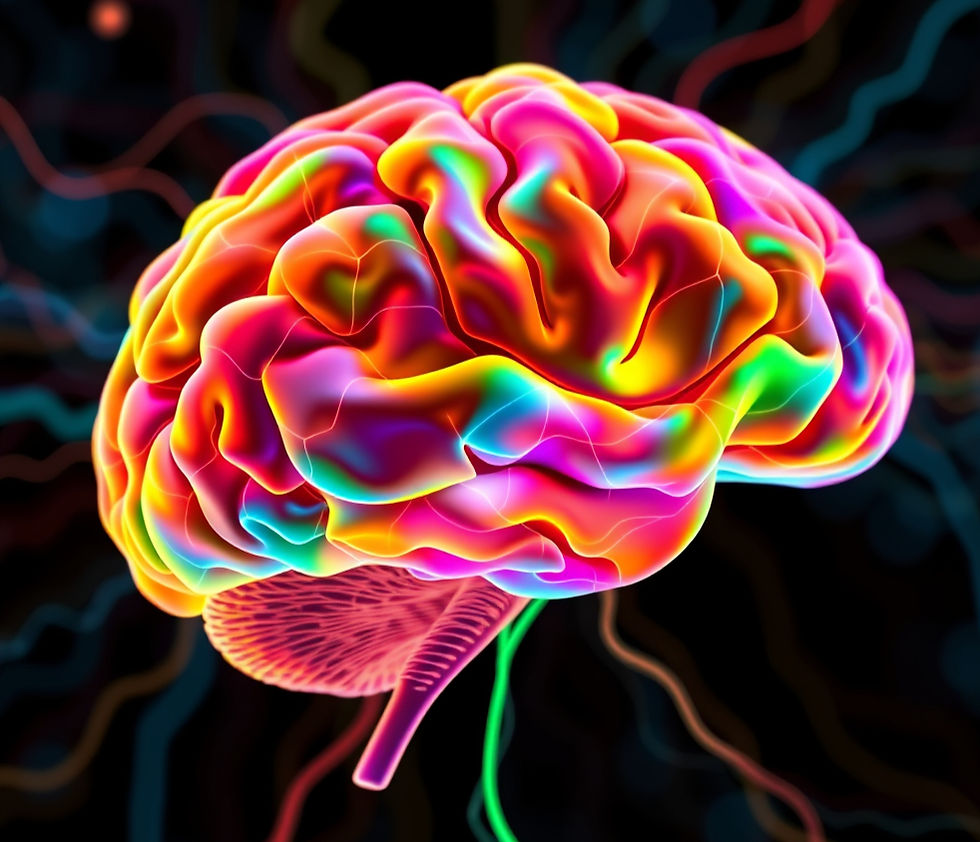
Neuroplastic pain happens when the brain and nervous system change their structure and function in response to pain signals. This is also referred to as Central Sensitization. Normally, pain serves as a warning sign for injury or illness. But sometimes, the nervous system becomes overly sensitive or rewires itself in a way that keeps pain signals active even without any structural damage.
This rewiring can cause pain to become chronic, lasting months or years. It can also make the nervous system respond more strongly to stimuli that wouldn’t normally cause pain. This is why some people feel pain from light touch or mild pressure.
How Does Neuroplastic Pain Develop?
The development of neuroplastic pain involves several key processes:
Sensitization: Nerve cells become more responsive to pain signals. This can happen at the site of injury or in the spinal cord and brain.
Changes in brain structure: Areas of the brain that process pain may grow stronger connections or increase activity, reinforcing the pain experience.
Loss of inhibition: Normally, the brain has systems to reduce or block pain signals. In neuroplastic pain, these systems may weaken.
For example, after a back injury heals, the nerves and brain might still send pain signals because they have adapted to expect pain. This can make the pain feel real and intense, even though the original injury is gone.
Signs You Might Have Neuroplastic Pain
Recognizing neuroplastic pain can be challenging because it often overlaps with other types of pain. Some signs include:
Pain lasting longer than expected after an injury
Pain that spreads beyond the original injury site
Sensitivity to touch, temperature, or pressure
Pain that fluctuates or comes and goes without clear triggers
Emotional symptoms like anxiety or depression linked to pain
A history or trauma or adverse childhood experiences
Personality traits such as self criticism, perfectionism, over-conscientiousness, a need to control your environment.
If you notice these signs, it’s worth discussing neuroplastic pain with a Pain Therapist or your healthcare provider. Understanding the cause can help guide better treatment.
How Understanding Neuroplastic Pain Can Help You
Knowing that your pain involves changes in the nervous system can shift how you approach treatment. The treatment of acute and chronic/neuroplastic pain is very different. Instead of focusing only on the injured area, you can work on retraining your brain and nervous system.
This approach can reduce pain intensity and improve quality of life. It also helps reduce frustration by explaining why pain persists and what you can do about it.
Practical Steps to Manage Neuroplastic Pain
Here are some strategies that can help you manage neuroplastic pain:
1. Gentle Movement and Exercise
Regular, gentle movement helps retrain the nervous system. Activities like walking, swimming, or yoga can improve blood flow and reduce sensitivity. Start slowly and increase activity as tolerated. Avoid pushing through sharp pain, but don’t let fear of pain stop you from moving.
2. Mindfulness and Relaxation Techniques
Stress and anxiety can worsen neuroplastic pain. Mindfulness meditation, deep breathing, and progressive muscle relaxation can calm the nervous system. These practices help you focus on the present moment and reduce the emotional impact of pain.
Pain Reprocessing Therapy (PRT)
Pain Reprocessing Therapy (PRT) is a system of psychological techniques that retrains the brain to interpret and respond to signals from the body properly, subsequently breaking the cycle of chronic pain. Pain Reprocessing Therapy has five main components: 1) education about the brain origins and reversibility of pain, 2) gathering and reinforcing personalized evidence for the brain origins and reversibility of pain, 3) attending to and appraising pain sensations through a lens of safety (somatic tracking), 4) addressing other emotional threats, and 5) gravitating to positive feelings and sensations. The focus of PRT is not on eliminating your pain, but on changing the relationship you have with pain. Surprisingly, changing your relationship with pain is proving to be one of the best ways to end your pain. Watch for future blog posts sharing the results of scientific studies and real life examples of how PRT is helping people with chronic pain get their lives back.
4. Emotional Awareness and Expression Therapy (EAET)
EAET is a form of psychotherapy designed to help individuals identify, process, and express emotions that may be contributing to physical or psychological distress. It is based on the premise that repressed or unexpressed emotions can lead to chronic pain, stress, and other health problems. EAET is frequently used with PRT to help reduce the anxiety that is an underlying problem with chronic pain.
5. Neurofeedback and Brain Training
Some therapies use technology to help you control brain activity related to pain. Neurofeedback trains your brain to reduce pain signals. Neurofeedback can also be used to reduce the effects of dysautonomia, a condition frequently affectting chronic pain sufferers.
The Role of Healthcare Providers
Managing neuroplastic pain often requires a team approach. Healthcare providers can help by:
Diagnosing neuroplastic pain through history and examination. This may or may not include assessments, scans, and physical examination.
Designing personalized treatment plans. No two people living with chonic pain are alike, and their experience with pain is unique to them. Tailoring a treatment plan to your needs is vital for reducing your pain symptoms.
Coordinating physical therapy, psychological support, and medical care. Your medical providers need to coordinate care and communicate frequently about changes to your plan.
Monitoring progress and adjusting treatments
Open communication with your provider is key. Share your experiences and concerns to get the best support.
Real-Life Example: My Journey with Neuroplastic Pain
In January 2015, my life changed overnight. What began as a simple trip and fall evolved into a diagnosis of Complex Regional Pain Syndrome (CRPS)—a condition often called the most painful known to modern medicine. For years, I cycled through nerve blocks, implanted devices, and medications, desperately trying to block a pain signal that only seemed to intensify, leading to debilitating symptoms like dystonia and dysautonomia. Using a wheelchair became my reality.
My path to stability required relentless self-advocacy and a comprehensive toolbox. I've learned to manage the physical and emotional toll through tools like Mindfulness meditation, an anti-inflammatory diet, and regular Ketamine infusions.
The breakthrough that truly reignited my hope has been Pain Reprocessing Therapy (PRT). It has given me a proven path toward not just managing, but ending chronic neuroplastic pain, including the hope of walking and wearing shoes again.
Now, I channel my experience into action, working with organizations like the Regional Sympathetic Dystrophy Syndrome Association, the US Pain Foundation, and the Association for the Treatment of Neuroplastic Symptoms to champion critical change. My mission is to ensure every "Pain Warrior" has access to:
- Improved funding for CRPS research.
- Better access to treatments like IV Ketamine and PRT.
- Quality support, education, and tools to heal.
I believe that by understanding our nervous system and shifting our relationship with pain, we can all reclaim the lives we love.
What to Avoid When Dealing with Neuroplastic Pain
Certain habits can make neuroplastic pain worse:
Avoiding all movement due to fear of pain
Relying only on pain medications without other therapies
Ignoring emotional health and stress management
Expecting quick fixes without ongoing effort
Instead, focus on balanced care that includes physical, emotional, and neurological aspects.
Understanding neuroplastic pain empowers you to take control of your journey. By combining movement, mental health care, and professional support, you can reduce pain and improve your life.
Start by learning about your pain and exploring gentle ways to retrain your nervous system. Relief is possible when you address the root of neuroplastic pain.
Your path to relief begins with knowledge and action. Reach out for a complimentary session to see if working with a Pain Therapist is your next step. Small steps can lead to big changes in how you feel and function.
Comments