
The Hidden Link Between Isolation and Chronic Pain


When you live with chronic pain, you know from experience that there is an "invisible wall" in your world. You watch the world move, work, and laugh through a thick pane of glass while you feel sidelined by a body that won't cooperate. But isolation isn't just a side effect of pain—it’s a biological driver of it. I believe that understanding the science of connection is one of the most powerful tools in your recovery toolkit.
The Science: Why Loneliness "Hurts"
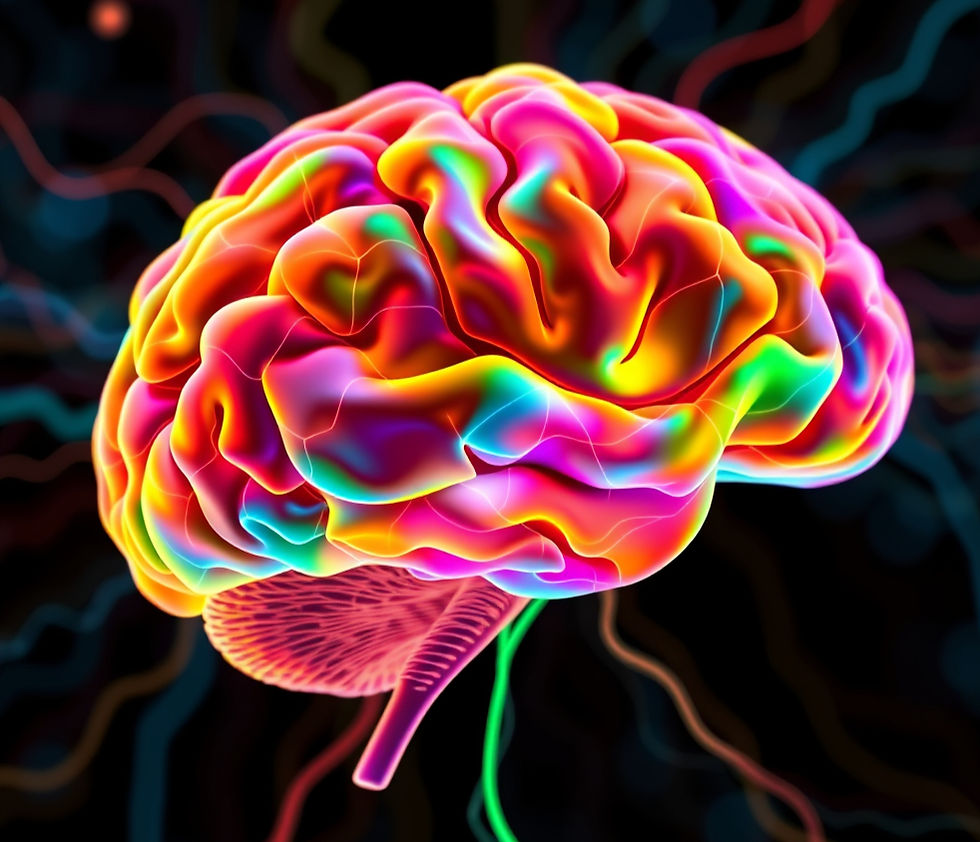
It sounds like a metaphor, but it’s actually neurology. Our brains process social rejection and loneliness in the same regions where they process physical pain (the anterior cingulate cortex).

When we are isolated, our nervous system enters a state of "High Alert." From a survival perspective, a human alone is a human in danger. Therefore, isolation sends a constant "threat signal" to the brain. As we know from Pain Reprocessing Therapy (PRT), when the brain feels threatened, it turns the volume up on pain signals to protect you.
By finding ways to connect, we aren’t just "cheering ourselves up"—we are sending "safety signals" to the brain that can physically help dial down the intensity of chronic pain.
Reconnecting Without "Burnout"
The biggest hurdle to socializing with chronic illness is the fear of "overdoing it." You don't want to commit to a dinner and have to cancel, and you don't want to spend three days in a flare-up because of one hour of coffee. Reconnecting will require creativity and a little education for your friends, but you can help them remember just how valuable a relationship with you can be.
Here are three ways to reclaim your social agency without overtaxing your system:
1. The "Micro-Check-In"
Connection doesn't have to be a marathon. Try "voice-note-only" friendships. Sending a 30-second audio message while you’re resting on the couch allows for intimacy and the sound of someone's voice without the pressure of a real-time conversation or the physical toll of travel.
2. Digital Parallel Play
Parallel play isn't just for toddlers! Invite a friend to a "Co-Resting" video call. You both stay on mute while you read, watch a show, or do a crossword. You get the comfort of another person’s presence without the "performance" of being a host or a conversationalist.
3. Find Your "Non-Pain" Identity
When we are isolated, we often only talk to doctors or fellow patients. Join an online community focused on a hobby or personal interest—whether it’s birdwatching, gaming, or history. Engaging with the world as a person with interests rather than a person with symptoms is a massive safety signal for your nervous system. Your life is about more than pain.
The Bottom Line
You are part of a tribe, even when you’re stuck at home. Every time you reach out is a victory for your recovery. You deserve connection just as much as you deserve relief.


Comments